Silver and gold balloons adorn the Jitters exterior. They've been around 22 years!Today was a mournful day. Every morning I go grab coffee at a local coffee shop called Jitters, which has been around Redmond much longer than I have: 22 years to my 14. But now they’ve had to close their location (a repurposed bank building) and haven’t been able to find a new place.
They’re celebrating their last day in style: balloons, a big card for everyone to sign, and free coffee all day long, but there is a sad undertone to the merriment. We’d gone through the drivethrough, then came in to sign the card and say goodbye. Last week, I’d made sure to sign up for the mailing list, to be notified if they find a new location, but so far the manager hasn’t seemed very hopeful about that.
As we were coming towards the door, a gentleman was coming out. We nodded at each other and he paused. Both of us felt, I think, a need to mark the occasion, to acknowledge the Jitters bond. “Sad day,” he said. “Very sad,” I replied. Inside all the baristas were glammed out and a little shell-shocked, I think, that this day had come.
This is my new lifestyle. It's more solitary yet stylish. The dragon mug is from my crazy aunt.Meanwhile, I’ve bought a lovely Chemex in order to make coffee at home after reading a recent Chuck Wendig post about it. I fear that I finally have fallen into the Seattle trap and become a coffee snob. I even have some Tonx coffee coming, since they are willing to give you a free sample. And there’s a pleasing ritual to it, the dousing of the filter in hot water, then using that water to warm the mug. Wayne got me an electric kettle for Christmas after watching the two saucepan version of that dance, and it rocks.
Still, I will sorely miss Wendy and Megan and Amanda and all the rest of the cheerful Jitters crew.
Want access to a lively community of writers and readers, free writing classes, co-working sessions, special speakers, weekly writing games, random pictures and MORE for as little as $2? Check out Cat’s Patreon campaign.
Want to get some new fiction? Support my Patreon campaign.
"(On the writing F&SF workshop) Wanted to crow and say thanks: the first story I wrote after taking your class was my very first sale. Coincidence? nah….thanks so much."
~K. Richardson
You may also like...
Resist Through the Way You Exist
One thing that’s emerging from discussion about the New Green Deal is that to act ecologically, to believe that climate change is real and that we must all work together to avert the worst of it, is now considered by some a radical leftist notion.
It is a given that the corporations must change their ways, must stop polluting and destroying the commons – the natural resources that belong to us all as citizens of this planet. The government must stop rolling back environmental protections — and put back the ones it’s stripped away while also stopping the flow of those resources to profiteers. But at the same time we as individuals can live in ways that help move us evolve into a society that places less strain on our planet.
You can #resist through the way you exist, and particularly the ways you spend money. Corporations have developed enormous systems designed to sell you stuff, to create anxiety in you and then offer material goods promising to soothe that anxious ache. All that angst will go away if you just buy the right celebrity’s brand, they say, and then laugh all the way to the bank while you stand there, not sure how you’ve been conned. Opt out!
Here are some things I’ve been trying to do more of this year:
Cooking more, and buying less pre-packaged or take-out food. I make the majority of our dinners (often quite quickly, due to the InstantPot). It’s cheaper and (usually) healthier plus it gives me more control over the ingredients. I do like my walk to the coffee shop in the morning; nowadays I bring my coffee thermos mug with me rather than use their paper cup.
Some of what I’m cooking comes from Imperfect Produce, which I’m finding convenient, plus a little cheaper. Imperfect Produce sells both organic and regular produce that isn’t consistently sized or pretty enough to go into the grocery store.
Reducing food waste through several other means, including using leftovers up whenever I can. A recent roast, for example, became a savory sauce over gnocchi the next night, and finished its existence as a soup. And the vegetable peelings from the meals all got popped in a plastic bag in the freezer; when there’s a full bag, I’ll make stock out of it. I like to make my own yogurt; the whey from that gets frozen and added to soups.
Another means of reducing waste is composting more, now I have a place with a yard. I might have gone a little compost nuts, actually. There’s a rolling bin for yard waste, a bokashi fermenter on its way, and a space reserved for a worm bin. But there’s enough garden space here that it will be useful!
Making my own presents or giving experiences rather than things. Whatever your feelings on Marie Kondo, she does have a point when it comes to amount of useless stuff people accumulate. Why add to the the mass of that, when a batch of cookies might be more appreciated + don’t go on to take up shelf space for years? It doesn’t have to be sweets. It could be a plant you’ve started, a savory spice mix, or a scented bath bomb. There’s a LOT of DIY possibilities. Or take someone for a walk or to a concert they’ll enjoy.
I’ve always preferred thrift shops (perhaps because I was heavily influenced by Tanith Lee’s The Silver Metal Lover as a child) and that’s certainly not going to change, but I’ve also got enough space to pull out the sewing machine and either spend some time tweaking stuff I’ve accumulated or get rid of it.
Corporations don’t care about you, but they do care about the money that flows through your hands. Buy locally and from independent creators where you can, boycott the egregious bad behavers — and let them know that you are doing so — and overall make what you spend count where and when you can.
Remember that in this modern world, kindness, mindfulness, and honesty are as punk as you can get. Don’t buy into the cynicism enforced by edge-lord humor. It dulls your empathy and numbs you into acceptance of things as they are. Celebrate your differences and those around you.
This is a baby two-toed sloth. I can't decide whether or not they're cuter than baby three-toed sloths. It's a toss up, really.
Down to our last week here! We leave next Thursday and head to Miami where we’ll spend a day and then (yay!) hop on a cruise ship to take advantage of a last-minute opportunity. I’ve never been on one, so I’ve been reading up on the experience and am looking forward to it. We’ll be spending seven days on the boat and seeing a little of the Caribbean (which I cannot envision without thinking of the Sid Meier Pirates! game, which consumed a great deal of my time at one point. After that we’re headed up to the NYC/PA area for early October, where I think I’ll be around the time of the SFWA reception there, but I’m still figuring that out.
I’ve not gotten much writing this week, but for good reasons. First we visited the Sloth Sanctuary here and spent the night in the Buttercup Room of their B&B. We got to go for an early morning canoe ride along a placid salt-water river, seeing bats, birds, and beautiful vegetation, then spent a couple of hours touring and seeing sloths, including the babies, which are the essence of cuteness. Here’s a video from the baby sloth nursery.
They have a lot of adult sloths as well – close to 150 sloths there total. Sometimes the babies are removed from the mother in order to help both their chances. The morning we were there, for example, a mother sloth and baby had come in that had been mauled by a dog, and they were separated because the mother was severely dehydrated and hurt and couldn’t nurse the baby. They take good care of them. We would have loved to pet them, for example, but it’s so much better for the babies if that doesn’t happen, so it was all hands off.
Some of them were rescued or found by people, others taken away from stupid people who thought they would make a good pet. There were an awful lot of sad, sad stories. But the sanctuary works hard to get them rehabilitated and back out into the wild if they’ll survive there. The ones that stay permanently are ones like Gwendolyn, whose arms and legs got broken by HORRIBLE, HORRIBLE people, or another sloth (whose name I forget, unfortunately), who was paraplegic.
Sloths are amazingly docile creatures. And they are lovely and awesome. But they belong in the wild, if at all possible. I was really impressed by the sanctuary and the work they’re doing. Good people. There’s an Animal Planet series about it, called “Meet the Sloths,” if you want to see more about it.
We had rented a car and drove to the sanctuary, which is on the other side of Costa Rica, so the day after we got back, we used the last day to drive down to Marino Ballenas and a whale watching trip. Unfortunately, I have no video because I’d forgotten to bring a plastic bag to keep my phone dry, but we saw humpbacks jumping, including a mother and baby, which was freaking SPECTACULAR. Also an extremely surprised sea turtle. It was amazing.
I did get a little writing in, and a bit more yesterday and this morning, on two projects, the first being novella/novel Seed & Cavern, and the second a modern horror story about tourism, set on Jaco Beach. Heh. Here’s a teaser from the latter, which has the working title “Jaco Tours”:
Joshua had not meant to offend the American lady. Or her companion, for that matter, although the companion seemed less offended than amused by the whole thing.
At the time, though, everything had seemed fine. He was out in front of the tour offices, handing out flyers and coaxing tourists into coming in to see what marvelous outings Jaco Tours (the finest in Costa Rica!) could offer them.
It wasn’t quite rainy season, but it was edging up on it, and already most of the tourists had gone, unwilling to face the rains that came in every evening, full of thunder and lightning. In the full season, you didn’t have to go looking for tourists ““ there were plenty of them, all down in Jaco and ready to spend money on learning to surf or visiting Manuel Antonio Park or going out sportfishing. But this time of year, you grabbed them while you could, because soon enough you’d be settling down to wait out the rainy days, living on whatever you’d managed to put away while the putting was good.
So there they were, the American couple. She looked like the kind who’d like the monkey tour, so he’d stopped them, described how they would give them fruit, how the monkeys would come and eat from their hands, and he’d seen her eyes light up the way some people’s did at the thought of monkeys. They had no monkeys in America, he knew, and there was something about them that made Americans crazy about them, at least the ones who hadn’t learned better, like going to Manuel Antonio and leaving their lunch on the beach while they swam, only to come back and find the monkeys and raccoons had gone through all their belongings.
Her companion was slender, narrow-hipped. A handsome man. The woman was older, surely, and Joshua gave her a smile. She was hooked. Now to persuade the man to buy the tour to please her.
If you want to see the story when it is finished, you can be among the first to read it. Sign up for my Patreon campaign and get two stories a month.





 One thing that’s emerging from discussion about the New Green Deal is that to act ecologically, to believe that climate change is real and that we must all work together to avert the worst of it, is now considered by some a radical leftist notion.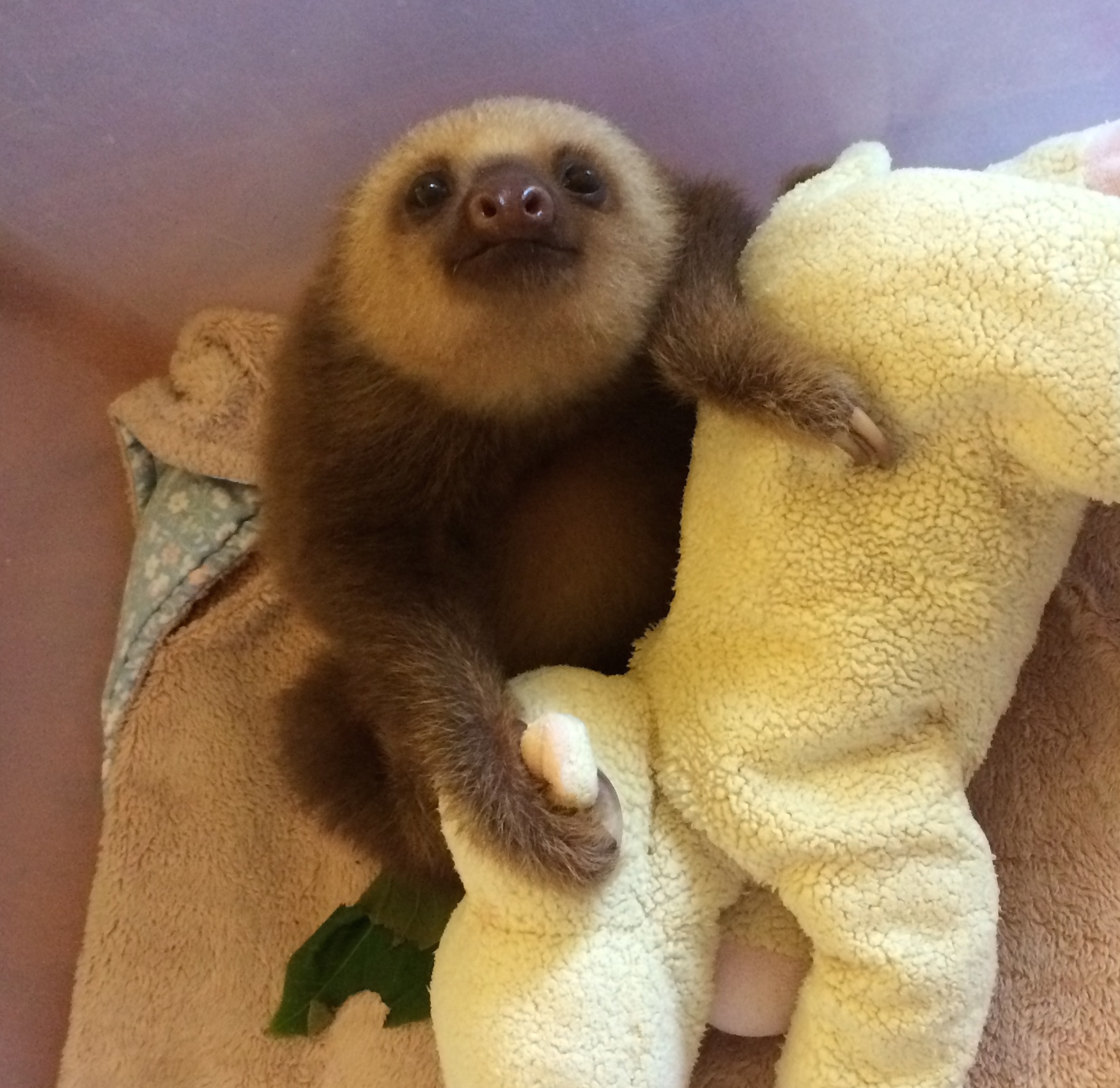
2 Responses
Oooh… Tonx coffee. I was going to suggest that.
My sympathies on the passing of your coffee shop. And the mug looks amazing.